
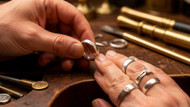
UK Silver Hallmarks Explained: How to Read the 925 Mark
Posted by Written by Johan Tiaan Jacobs Founder & Curator, Ministry of Luxury on 30th Jul 2026
UK Hallmarks Explained: How to Read the Marks on Your Silver Jewellery
A UK hallmark is a set of tiny stamps pressed into precious metal by an independent assay office, not by the maker. Learning to read them is straightforward, and it helps you understand what those marks actually mean.
This guide explains how the UK system works, in general terms, so the marks themselves are easier to read.
What a Hallmark Actually Is
A hallmark is not a brand logo. It is a legal stamp applied by one of the UK assay offices, confirming the precious metal content of the piece. In the UK, silver articles sold above a legal weight threshold, 7.78 grams, are as a rule required to carry a hallmark. A stamp applied by the maker alone is not a hallmark. The assay office mark is the part that counts.
The Four Marks to Look For
A standard UK hallmark carries four elements. The sponsor or maker's mark identifies who submitted the piece. The standard mark shows the fineness, with 925 confirming sterling silver. The assay office mark tells you which of the four UK offices tested it, often as a recognisable symbol such as an anchor or a leopard's head. And the date letter, a letter of the year, records when it was struck. Together they form a small, permanent record of what was tested, and by which office.
Why 925 Matters
The number 925 is the one to know. It means the metal is 92.5 percent pure silver, strengthened with a little copper so it can hold a stone and survive daily wear. That is the definition of sterling silver. Silver plated jewellery, which coats a base metal in a thin silver layer, is not sterling silver. The 925 mark refers to the sterling alloy, not to a surface coating.
Our fuller guide to telling real luxury jewellery from the rest covers related questions in plain terms.
Hallmarks Versus Other Stamps
Not every mark on a piece is a hallmark. Decorative stamps, brand initials, and even a 925 stamp can be applied by a maker. In the UK system, the assay office symbol is the element that shows the metal was tested by an independent office. That is the difference between a maker's stamp and a hallmark.
Why the System Exists
Hallmarks exist to protect the buyer. A hallmark is applied by an independent assay office, which tests the metal and stamps the result. That is the purpose of the system: a public record of fineness, tested away from the seller.
Pieces Worth Knowing
A thin twisted band is an easy everyday piece in solid 925 sterling silver. Princess-cut cubic zirconia studs are a simple daily pair. And a cubic zirconia heart necklace makes a gentle gift. None of these need to be grand to be worth wearing. You will find more pieces in our sterling silver jewellery collection.
How to Read a Hallmark
If you want to practise reading a hallmark, start with the 925, then look for a small office mark beside it. A hallmark is usually a crisp, deliberate stamp. If you are ever unsure about a mark, a jeweller or an assay office can help you read it.
A Note on Our Pieces
Every Ministry of Luxury sterling silver piece is solid 925 sterling silver, never plated over base metal. This guide explains the UK hallmarking system in general terms. It does not describe the marks on any individual piece in our range.
Style Tip from Ministry of Luxury
If you are curious about a hallmark, look closely at the 925 and any office mark beside it. Once you know what the four elements mean, the stamps are much easier to read.
Shop the look
Solid 925 sterling silver. Each piece links straight to the product.
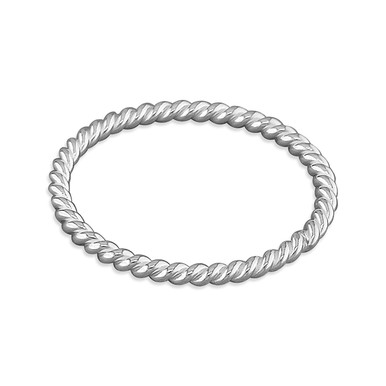
Thin Twisted Band
£24.99 |
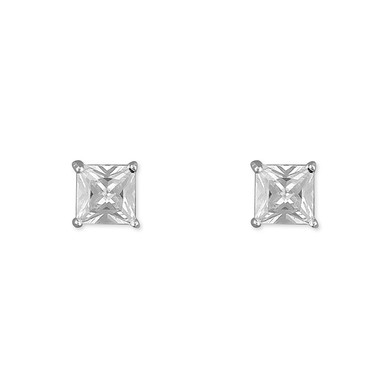
Princess-Cut CZ Studs
£14.99 |
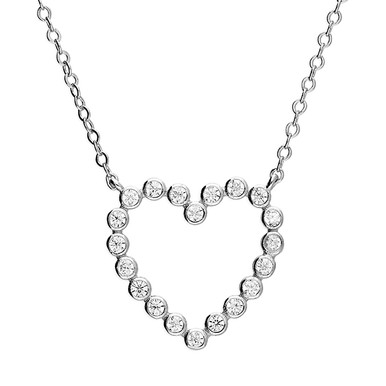
CZ Heart Necklace
£29.99 |
Discover sterling silver jewellery designed to be worn, cherished, and kept at Ministry of Luxury.