

Sterling Silver Jewellery Guide: 925, Care and Buying Well
Posted by Written and Curated by Hermes Luxury Silver Jewellery Curator on 26th Jul 2026
Everything worth knowing about 925 sterling silver, its composition, its care, and its place in a considered jewellery collection.
Why Sterling Silver Deserves a Serious Guide
Sterling silver is often misunderstood. It is dismissed by some as an entry point and mis-sold by others beneath layers of plating and marketing. The sterling standard itself has been recognised for more than seven centuries, and was written into English law in 1300.
This guide exists to give you the full picture. What 925 silver actually is, how to care for it, and how to judge whether a piece is worth your money. Consider it the reference we wish had existed when we began collecting.
What 925 Really Means
Pure silver is too soft for daily wear. A ring of it would bend against a door handle, and a chain would stretch under its own clasp. Sterling silver solves this with a precise alloy: 92.5 percent pure silver and 7.5 percent other metals, almost always copper. The copper lends structural strength while preserving silver's white brilliance.
That 92.5 percent is not a marketing figure. It is a recognised legal standard for sterling silver. When you see 925 stamped inside a band or on a clasp tag, it indicates that the metal is sterling grade.
Sterling Silver versus the Pretenders
- Silver plated. A base metal, usually brass or copper, coated with a thin layer of silver. The coating wears through, and the piece is not silver in any meaningful sense.
- Silver filled. A thicker bonded layer of silver over base metal. More durable than plating, but still a laminate, not an alloy.
- Gold vermeil. 925 sterling silver plated in gold. The silver core is genuine, the gold surface is a finish, and finishes wear. The piece beneath remains silver.
- Stainless steel jewellery. Durable and inexpensive, but it is not a precious metal.
Solid sterling silver is the only option in this list that is precious all the way through. Scratch it, polish it or resize it, and it remains sterling silver.
Tarnish, the Honest Truth
Sterling silver tarnishes. Any brand that implies otherwise is selling you either a coating or a fiction. Tarnish is a natural surface reaction between the copper in the alloy and sulphur compounds in the air. It is chemistry, not decay, and it is entirely reversible.
Three habits keep silver bright with almost no effort.
- Wear it. Genuinely, the gentle friction of daily wear polishes silver naturally. Pieces worn often tarnish least.
- Store it sealed. An airtight pouch or zip bag slows the reaction.
- Polish it occasionally. A dedicated silver cloth, used for two minutes a month, restores full brilliance. Avoid abrasive pastes on satin or oxidised finishes.
Last on, first off. Apply perfume, sunscreen and cosmetics before your jewellery, and remove pieces before swimming pools and hot springs. Ordinary rain and hand washing are harmless. Our full care guide explains why sterling silver tarnishes and how to care for it at home.
Choosing Well, a Short Checklist
- Confirm you are buying solid 925 sterling silver, not a plated base metal.
- Ask what is underneath the finish. Vermeil and rhodium finishes are legitimate, but you should know you are buying a finish.
- Weigh it in the hand. Solid silver has a density and coolness that plated brass cannot imitate.
- Ask about repairs. A maker confident in solid silver will happily resize, re-polish and repair. Coated jewellery usually cannot be touched.
- Prefer made to order where it matters. A commissioned piece in solid 925 costs surprisingly little more than a mass-produced one, and it is unambiguously yours.
For a fuller checklist, here is how to spot well made silver jewellery without a loupe.
Pieces Worth Considering
If you are ready to handle solid silver rather than read about it, these pieces from the Ministry of Luxury Sterling Silver Collection are solid 925 sterling silver. Browse our full 925 sterling silver jewellery collection.
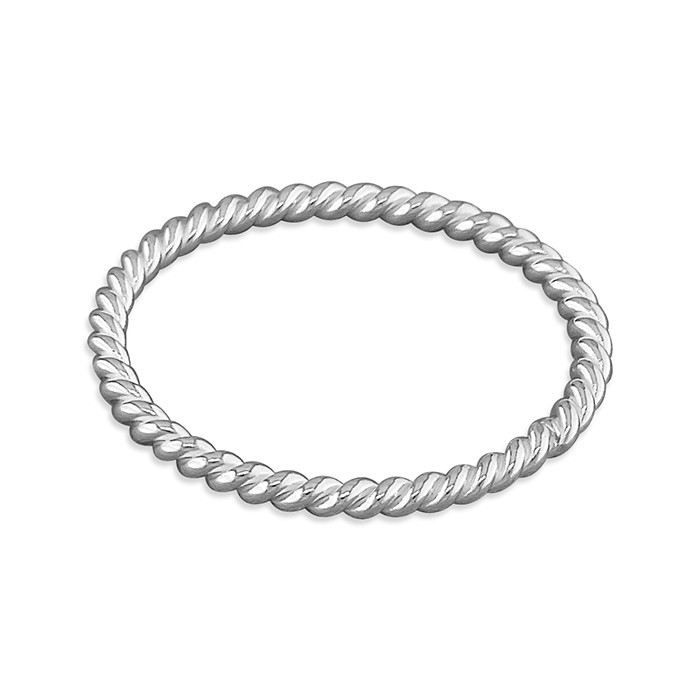
Sterling Silver Thin Twisted Band Ring. A delicate rope style band in solid 925. View the piece.
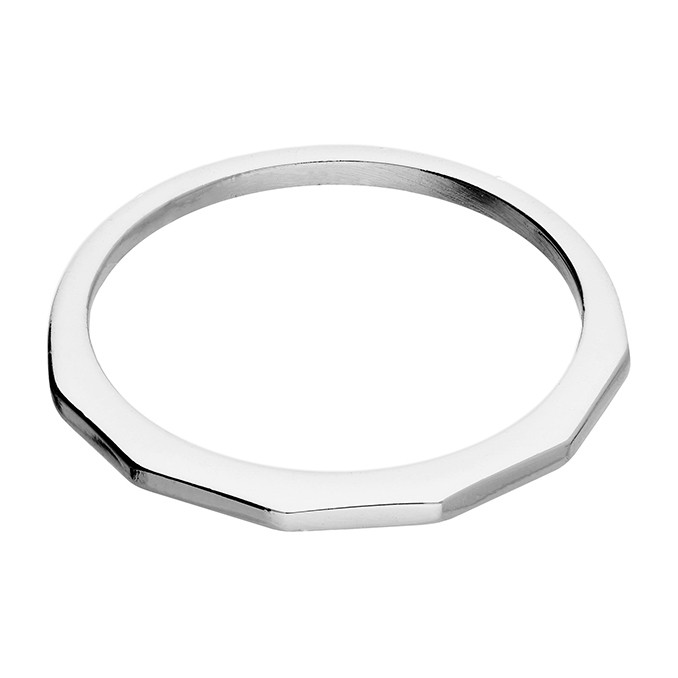
Sterling Silver Pentagonal Thin Stacking Ring. A geometric stacker built for layering. View the piece.
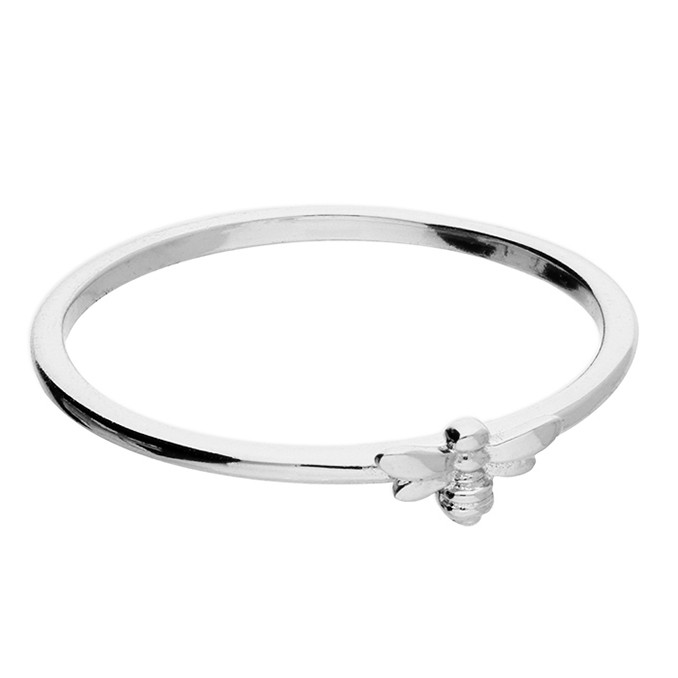
Sterling Silver Tiny Bee Stacking Ring. A quietly characterful detail piece. View the piece.
The Ministry Standard
Every Ministry of Luxury piece is solid 925 sterling silver. Never plated over base metal, never dressed up as something it is not. Our made to order service exists for those who want a piece designed around them rather than a trend. If you are beginning a collection, start with solid 925 sterling silver. See our sterling silver jewellery.
Continue your reading with our guides on sterling silver versus silver plated, caring for your pieces, and why silver is the first step into real luxury. If you are curious about the marks you may see on silver, our guide explains how to read UK hallmarks.